BEDRIJF
Over ons
March 6, 2025
January 21, 2026

This article is part of our series, The Clinician’s Perspective, where we explore the intersection of AI and healthcare through the eyes of our team – former clinicians who understand the realities of patient care firsthand.
For many doctors, documentation is an unavoidable part of daily practice. But for some, it’s more than just a tedious task – it’s a constant uphill battle, adding layers of stress to an already demanding profession.
Dr. Melania Ishak, an NHS Obstetrics & Gynaecology Registrar, knows this struggle firsthand. Living with dyslexia, she describes how the burden of clinical documentation takes a toll on her workflow and well-being. Simple tasks like summarizing patient interactions or drafting letters can require extra effort and time, leading to fatigue and frustration.
Another physician, who is hearing impaired, highlights how AI-powered note-taking could help ensure she never misses crucial details in patient interactions. The ability to rely on AI to capture and transcribe conversations accurately would provide immense relief, allowing her to focus entirely on the patient instead of worrying about missed information.
These stories are not isolated. Many clinicians face similar challenges, whether due to dyslexia, hearing impairments, neurodiversity, language barriers, or even just slower typing speeds. Yet, all are held to the same relentless documentation standards. The burden is particularly significant in specialties with high medico-legal risks, where accuracy is paramount. Physicians are expected to keep meticulous notes, often under time constraints, which can add to stress and cognitive overload.
Dr. Melania shares the strain of "poor working memory when trying to summarise masses of information for a GP letter, leading to burnout over time." To cope, she relies on "endless lists to avoid forgetting critical tasks." But with AI-powered scribes like Tandem, she’s found a game-changing solution.
By automating note-taking, AI scribes don’t just improve efficiency – they create a more accessible and inclusive healthcare environment. For clinicians facing unique challenges, AI isn’t just helpful; it’s transformative. It levels the playing field, enabling doctors to work at their best without being held back by documentation hurdles.
Here’s how AI scribes are redefining accessibility in clinical documentation:
- Customizable documentation styles that adapt to different workflows and needs, ensuring notes are structured in a way that makes sense for each clinician.
- Reduced cognitive load, allowing clinicians to focus on patient care rather than paperwork, preventing burnout and improving work-life balance.
- Improved note quality, ensuring documentation remains precise, regardless of writing ability, memory limitations, or language barriers.
- Support for real-time transcription, helping clinicians who struggle with fast-paced patient interactions retain critical details effortlessly.
By breaking down these barriers, AI is making clinical documentation fairer, less exhausting, and ultimately safer for both doctors and patients. When AI is designed with inclusivity in mind, it doesn’t just enhance workflows—it transforms lives by reducing stress, improving efficiency, and ensuring that every clinician, regardless of their personal challenges, can excel in their profession.

About Dr. Katie Baker
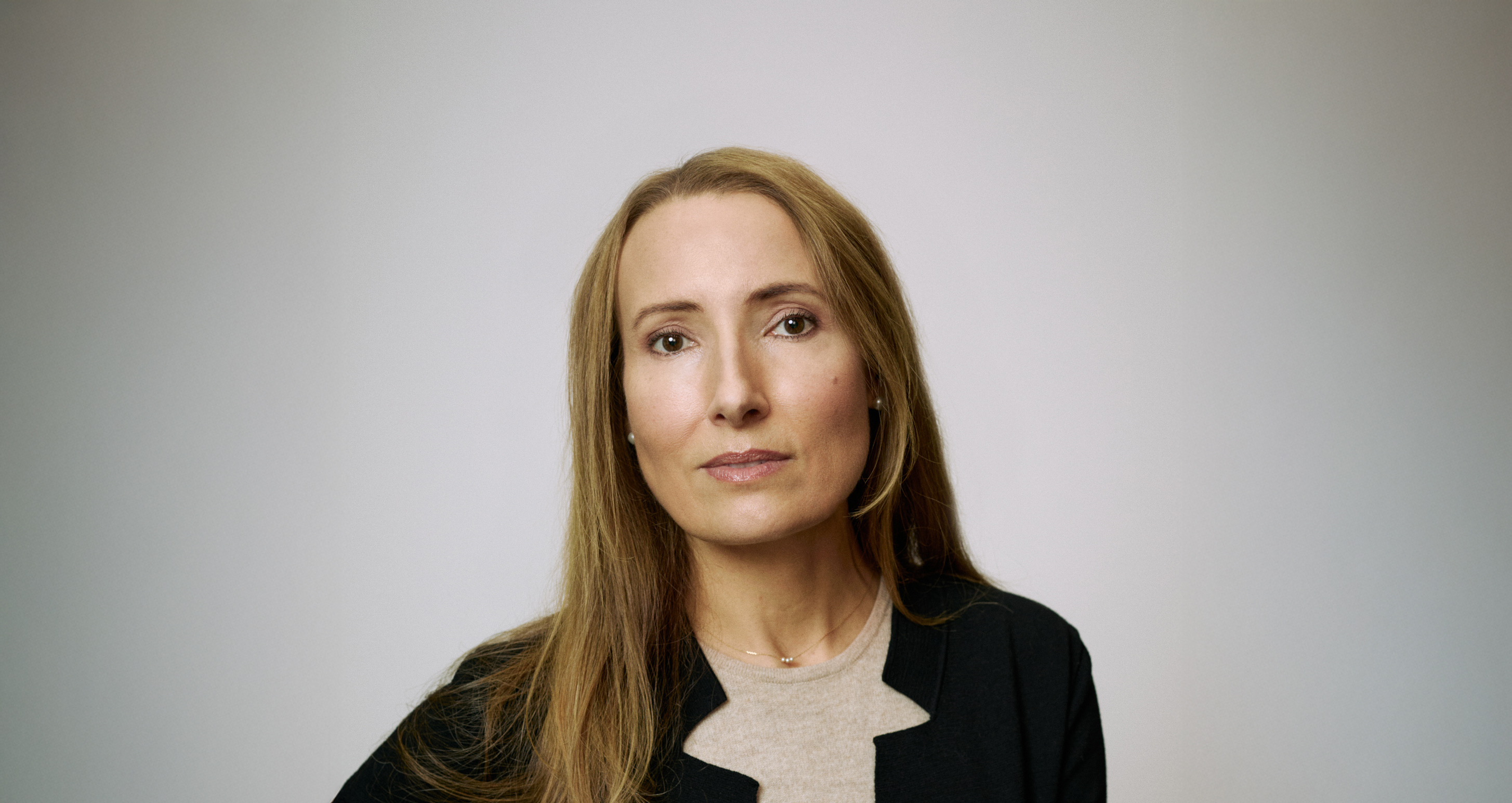
Katie Baker, Director UK & Ireland at Tandem Health, is a qualified NHS GP with over a decade of clinical experience and a background in neuroscience. She has led NHS urgent care services, advised global health tech companies, and champions AI’s role in reducing administrative burdens to improve patient care.
If you have any questions or want to discuss the future of AI in healthcare, feel free to connect with Katie on LinkedIn.
Read more