Produkt
Ressourcer
Firma
Log ind
Prøv gratis
Få en demo
Presse-relaterede forespørgsler kan rettes til press@tandemhealth.ai
Pressekit
10. marts 2026
Læs mere
10. mar. 2026
•
Partnerships
Four-year multi-trust agreement gives 10,000 NHS clinicians access to Tandem's ambient voice technology
9. mar. 2026
Product updates
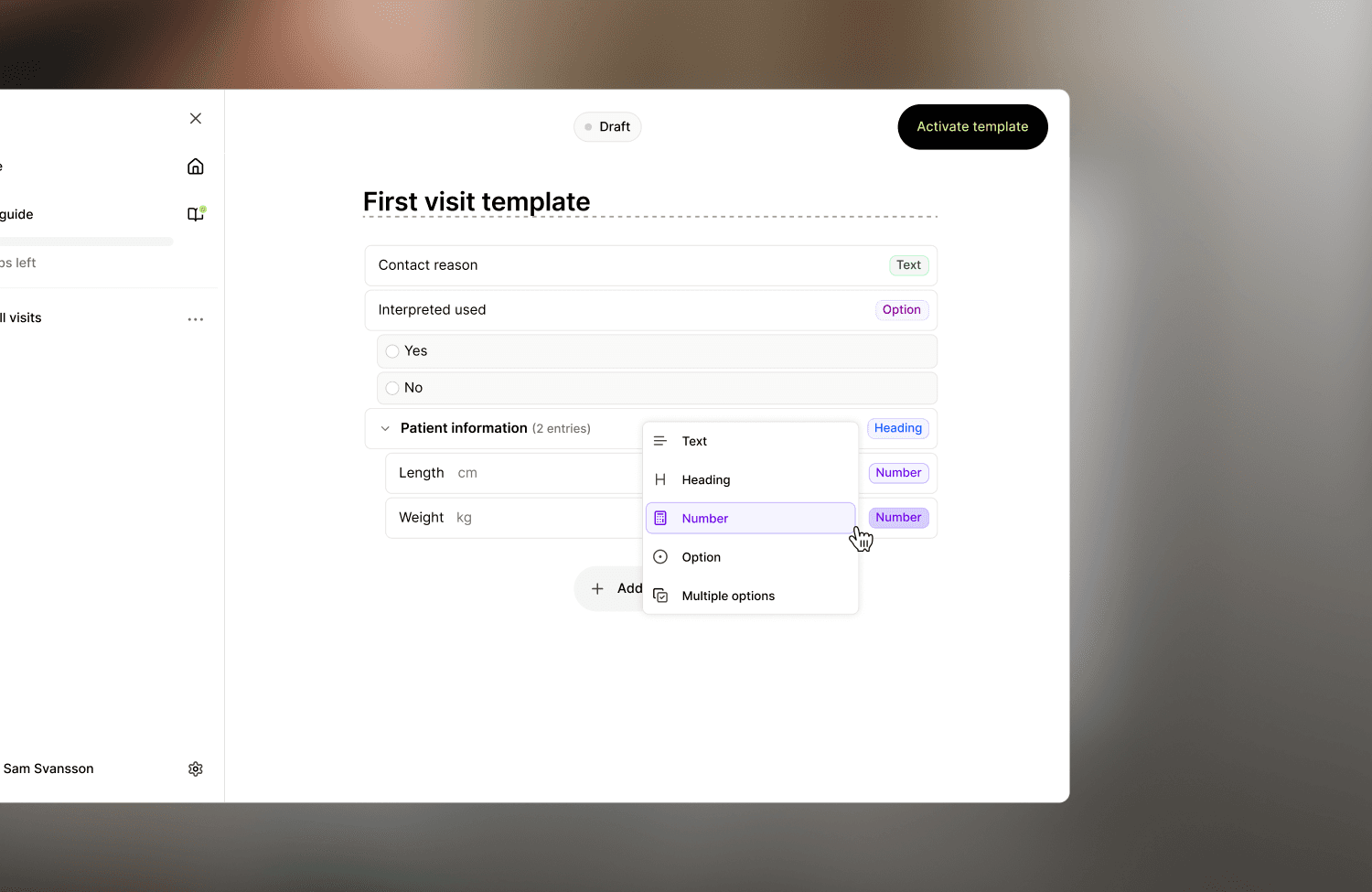
New: Build your own clinical note templates in Tandem
2. mar. 2026
Announcement
Building the AI native operating system for European clinics
16. feb. 2026
Compliance
Tandems Coding Assistant is now MDR Class IIa certified, elevating the baseline for AI in clinical documentation
9. feb. 2026
Partnership
Over 10,000 veterinary clinics globally, one shared challenge with documentation
28. jan. 2026
Welcoming the AVT Self-Certification Registry: A sign that the AI scribe market is growing up
26. jan. 2026
Acquisition
Tandem Health acquires leading Dutch AI medical scribe Juvoly to scale clinician-first AI documentation across Europe
14. jan. 2026
Tandem Health and CGI partner to bring AI supported clinical documentation to Finland
14. dec. 2025
PEDPAL and Tandem launch the first research project on AI assisted documentation in pediatric palliative care
10. dec. 2025
New Capio research report shows Tandem’s AI scribe cuts documentation time by 29 percent in European healthcare
24. nov. 2025
New hires
Heidi Stensmyren joins Tandem Health to strengthen AI adoption in European healthcare
17. nov. 2025
Research
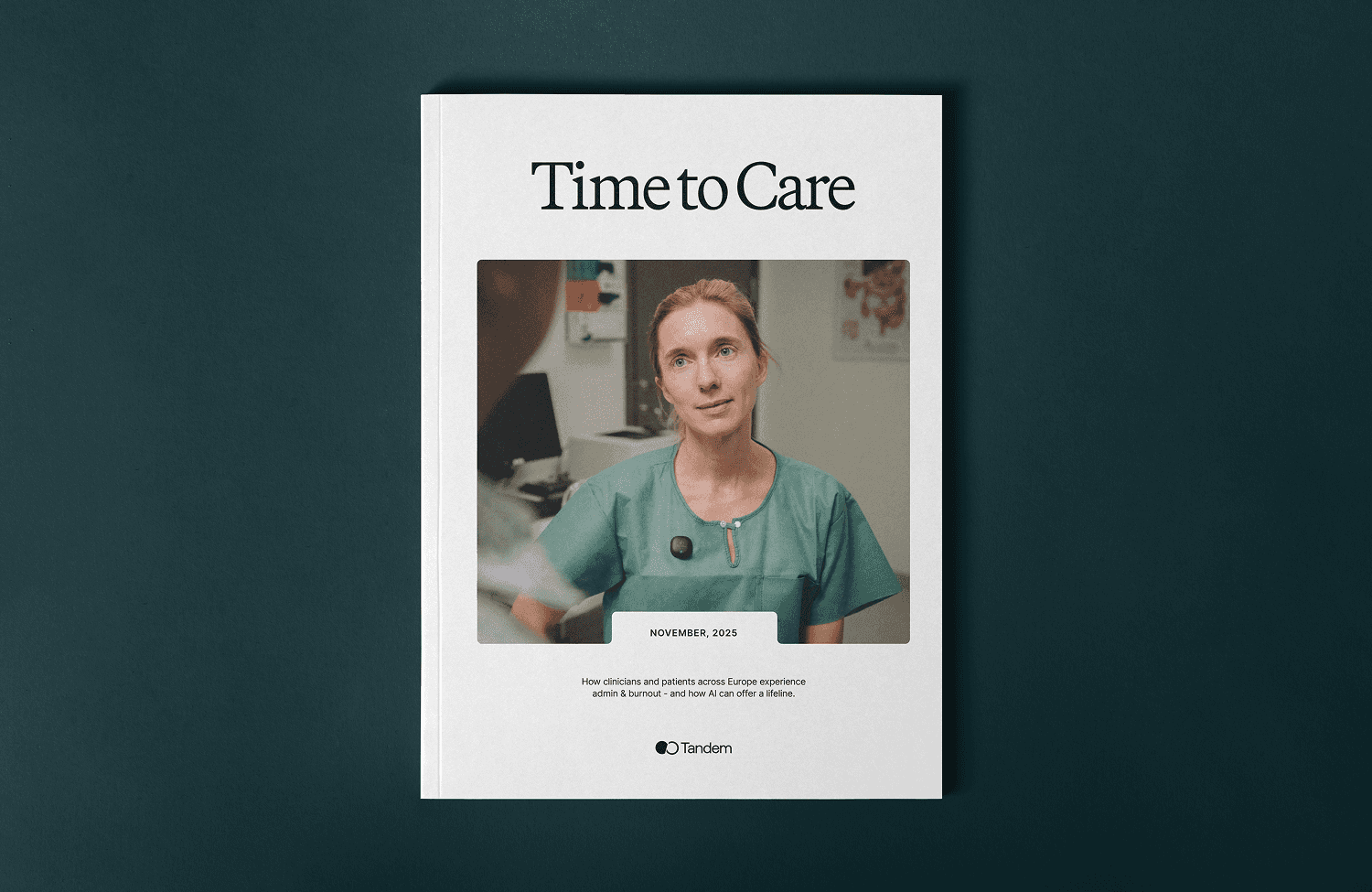
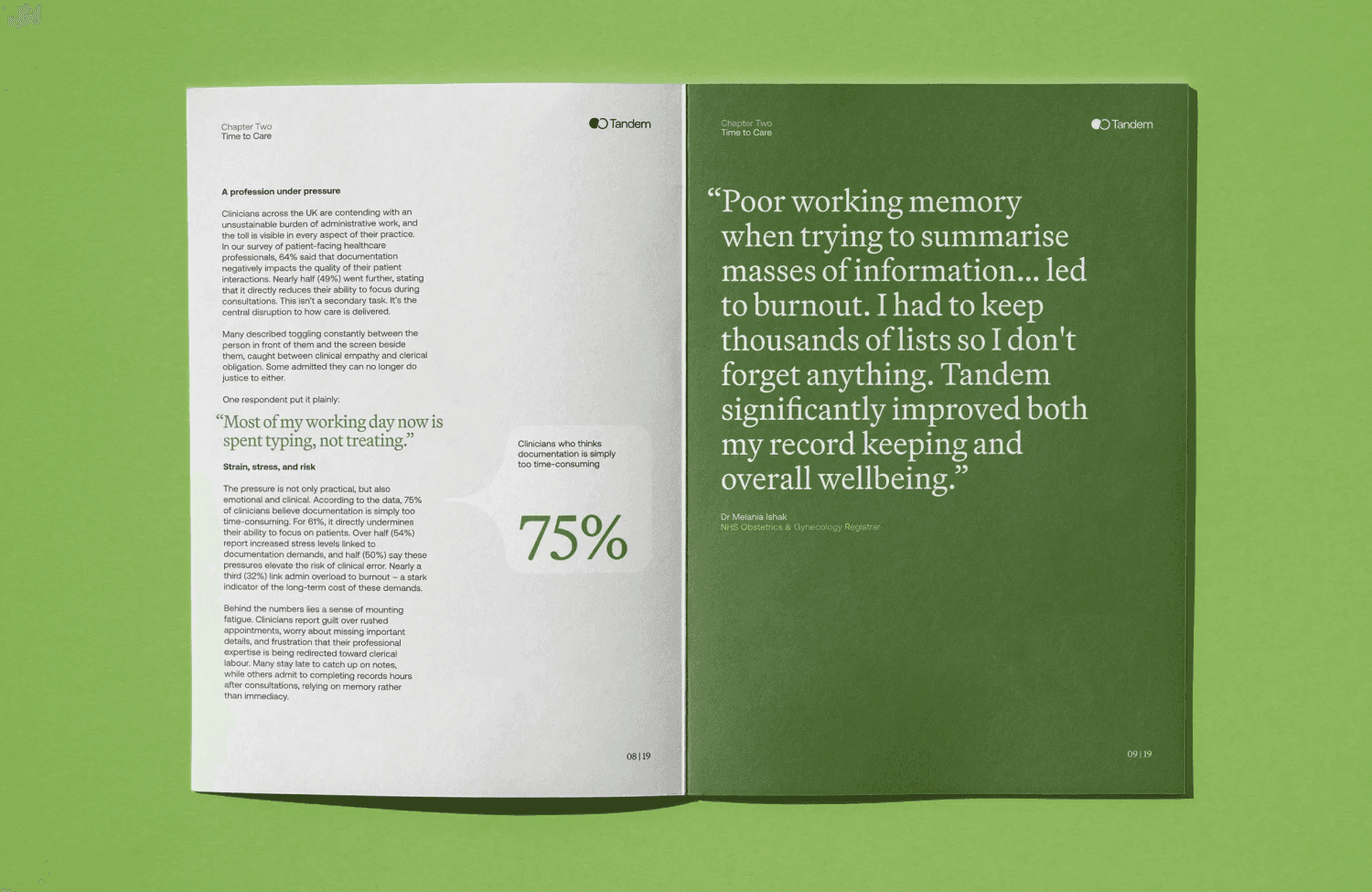
New Research: What 6,000 clinicians and patients across Europe say about admin burden and AI in healthcare
30. okt. 2025
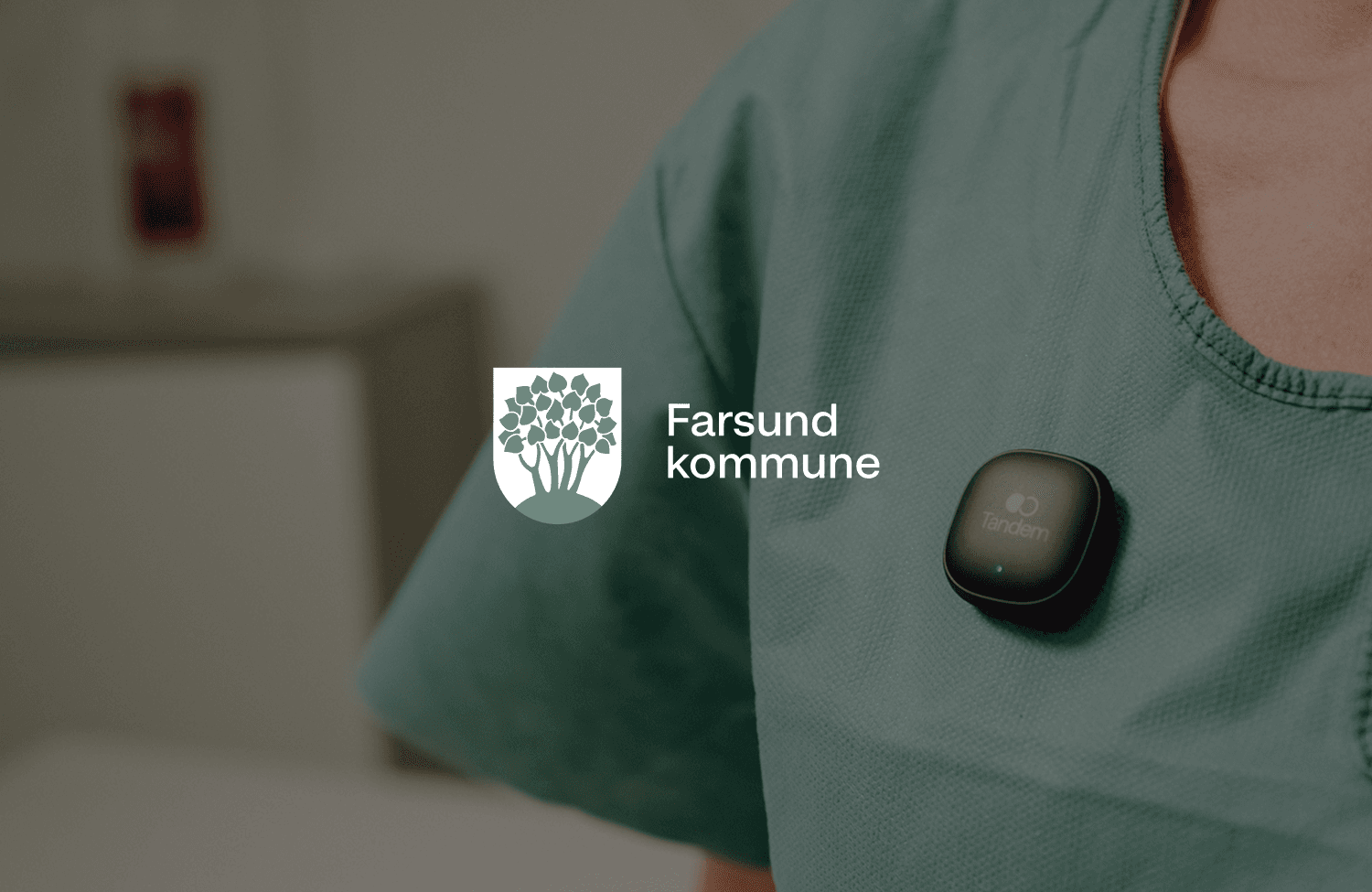
How Farsund Municipality gave health workers their time back with AI-powered documentation
24. okt. 2025
Data & security
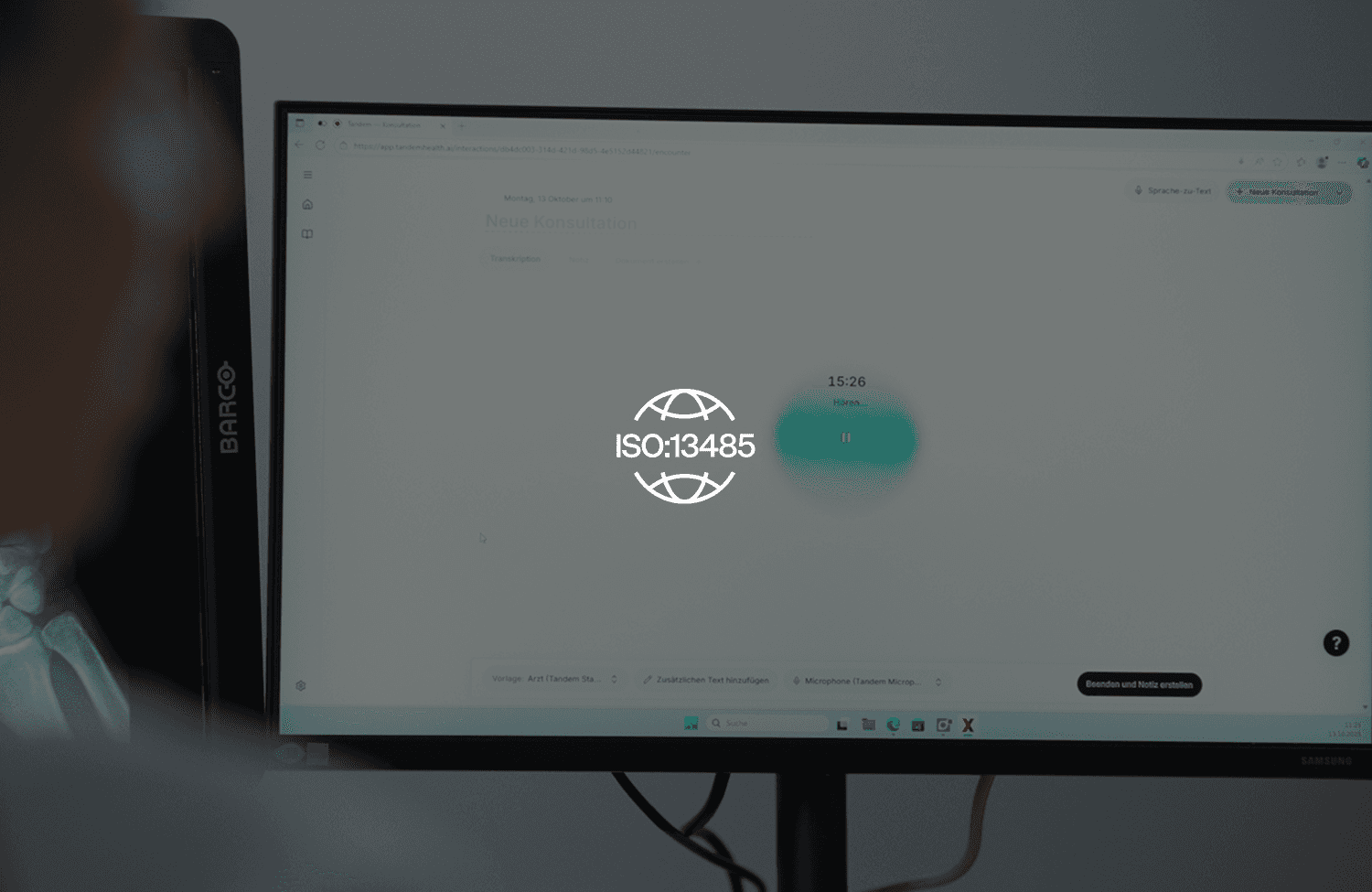
Tandem Health becomes the first AI medical scribe company to achieve ISO 13485 certification
16. okt. 2025
Feature release
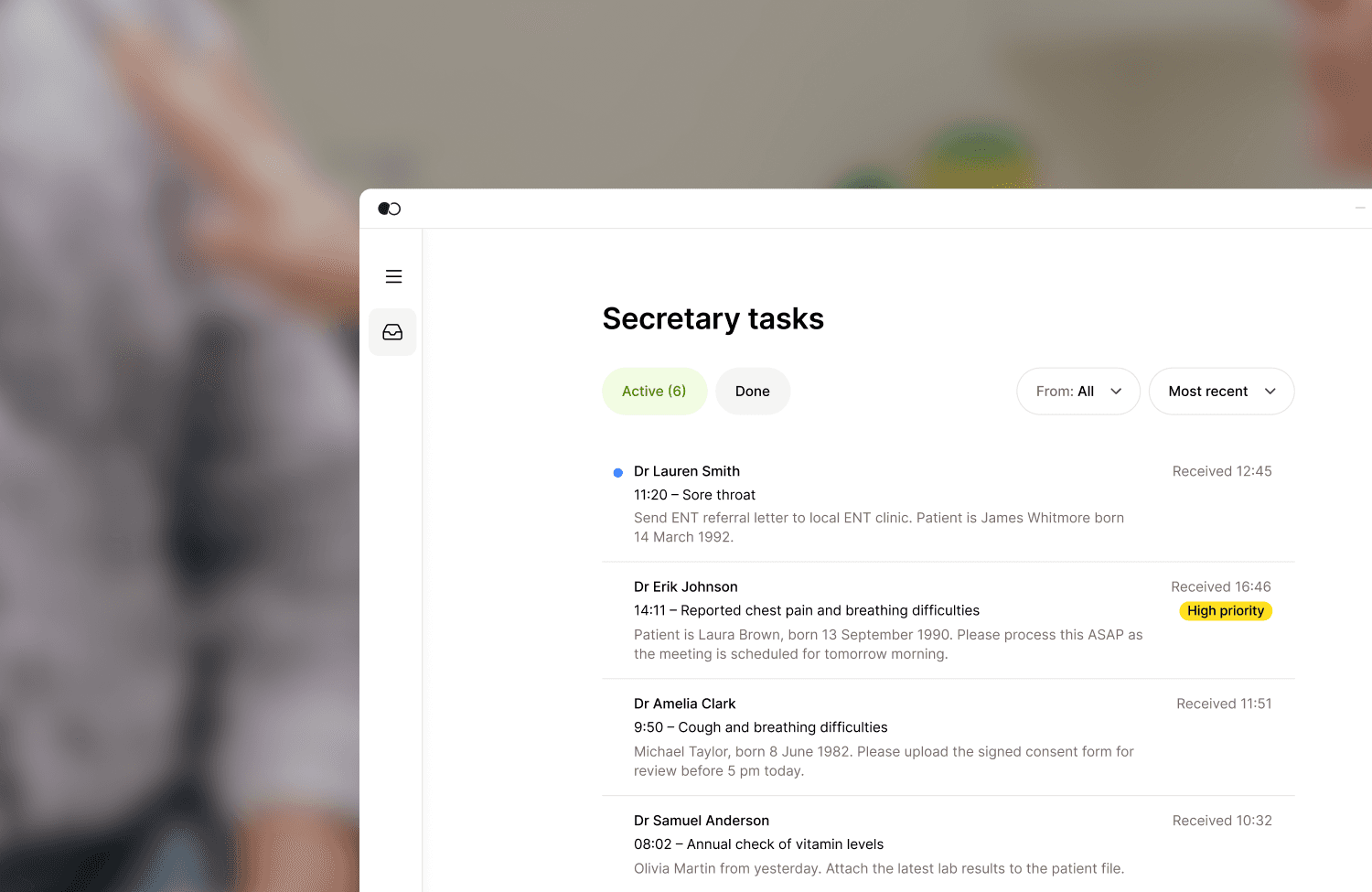
Product release: Tandem Secretary
9. okt. 2025
Market expansion
Tandem Health expands London hub to accelerate AI adoption in UK healthcare
18. sep. 2025
New board member
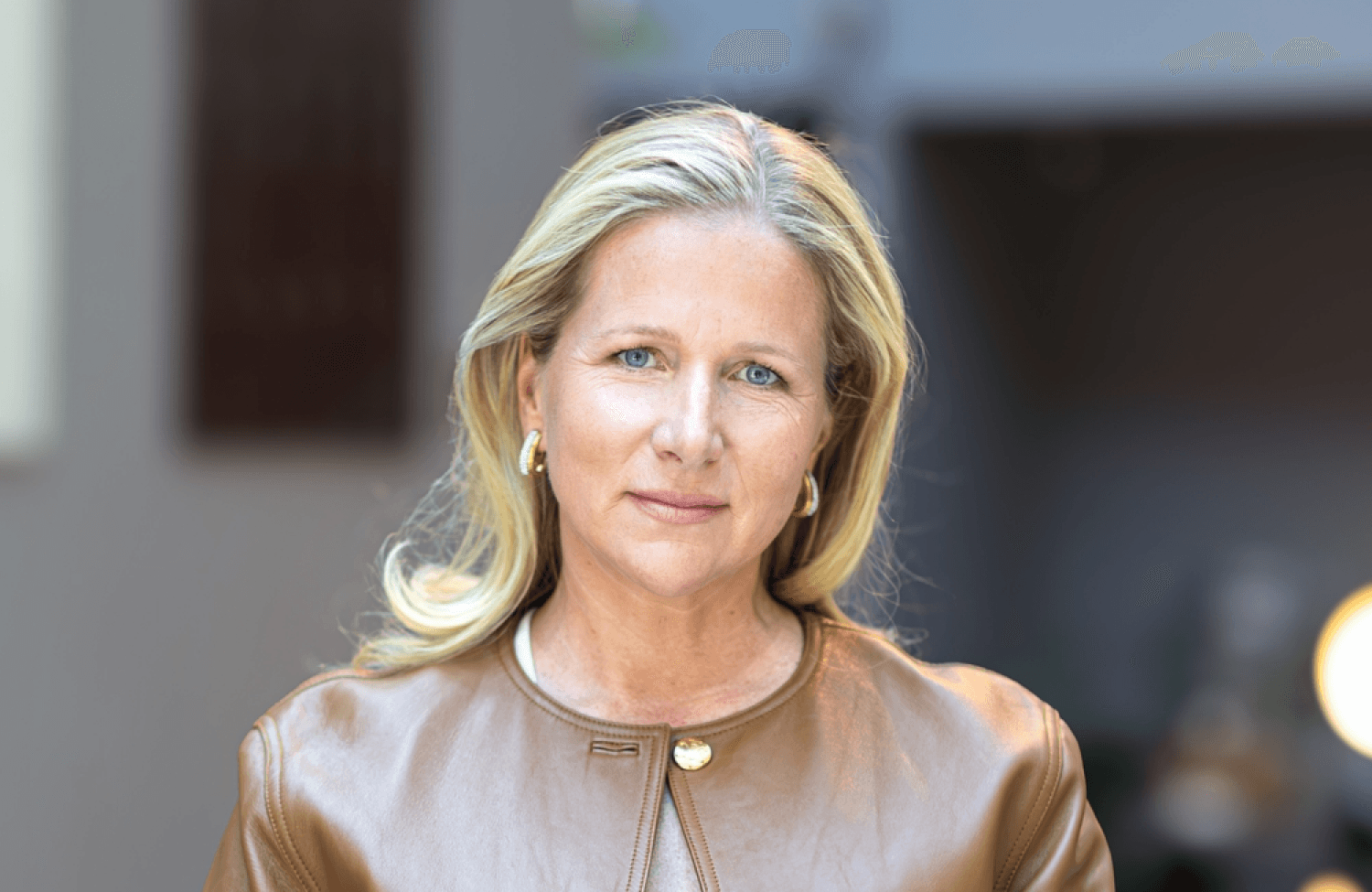
Kinnevik's Cristina Stenbeck joins Board of Tandem Health
16. sep. 2025
News mention
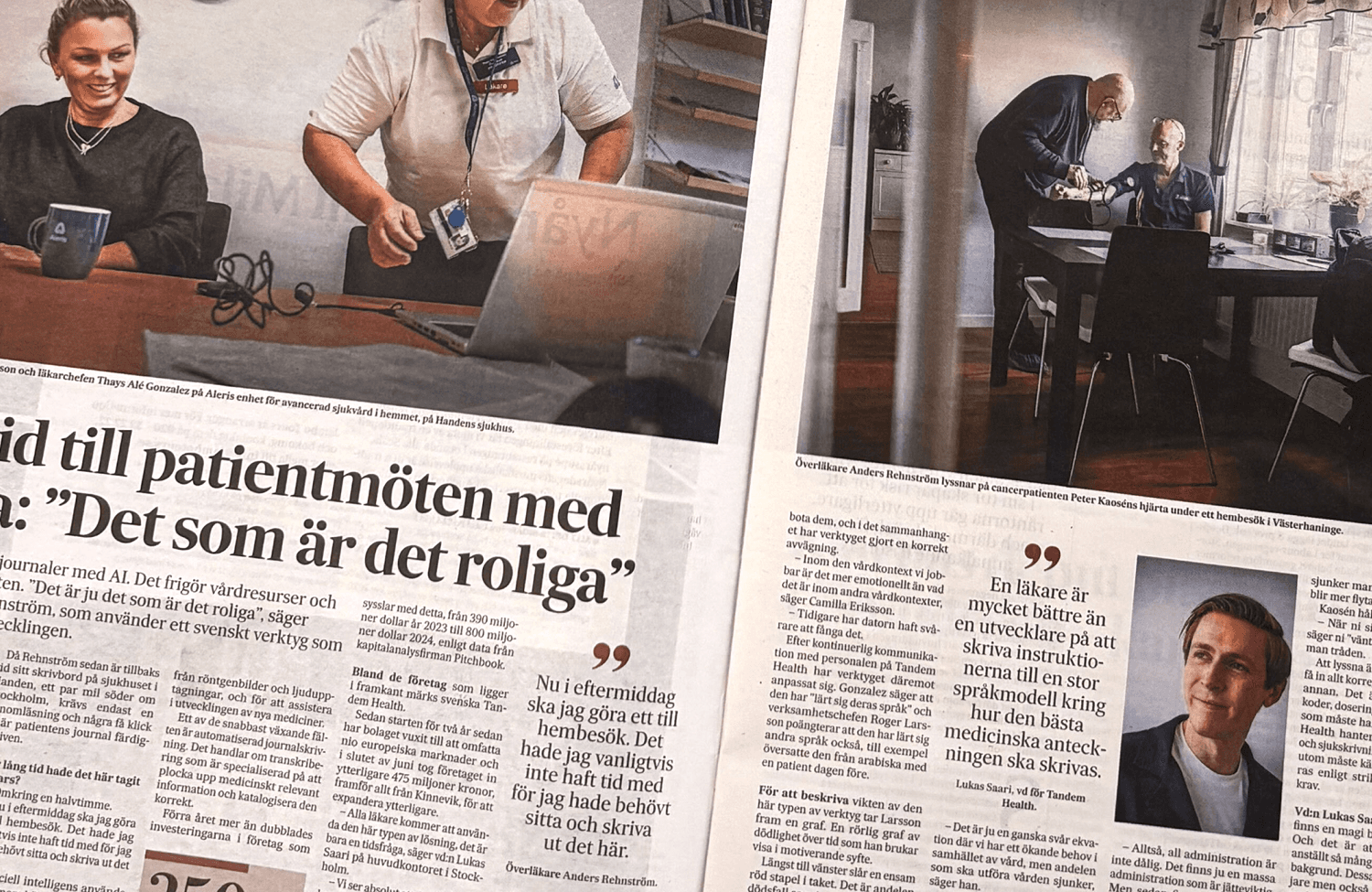
Swedish media spotlights how Tandem’s AI frees more time for patients
3. sep. 2025
Tandem’s AI scribe is CE marked as a medical device: what it means for clinicians
1. sep. 2025
Tandem Health expands to Finland with Dr Johan Sanmark as Country Director
27. aug. 2025
Cambio and Tandem Health form strategic partnership to enable open, AI-driven healthcare systems
26. aug. 2025
E-Medicus and Tandem Health bring AI medical assistant and TARDOC billing support to Swiss practices
21. jul. 2025
Recoletas chooses Tandem to bring AI-powered solutions to over 50 hospitals and clinics in Spain
30. jun. 2025
Fundraising
Tandem Health secures $50M to build an AI-native operating system for clinical workflows across Europe
28. maj 2025
Research report: what 1,200 clinicians and patients say about AI-powered tools in healthcare
23. maj 2025
Tandem brings AI-powered documentation to Germany with Eterno
29. apr. 2025
Tandem has teamed up with Accurx to deliver our AI medical scribe to 200,000 NHS staff
2. apr. 2025
Mindler chooses Tandem to strengthen mental health services across Europe
27. mar. 2025
Nordic rollout with Capio and European expansion underway
11. mar. 2025
Doktor.se partners with Tandem Health to reduce administrative burden for healthcare professionals
10. feb. 2025
Tandem Health initiates partnership with Omilon Group
3. feb. 2025
Tandem initiates collaboration with Clínicas Gaias
20. dec. 2024
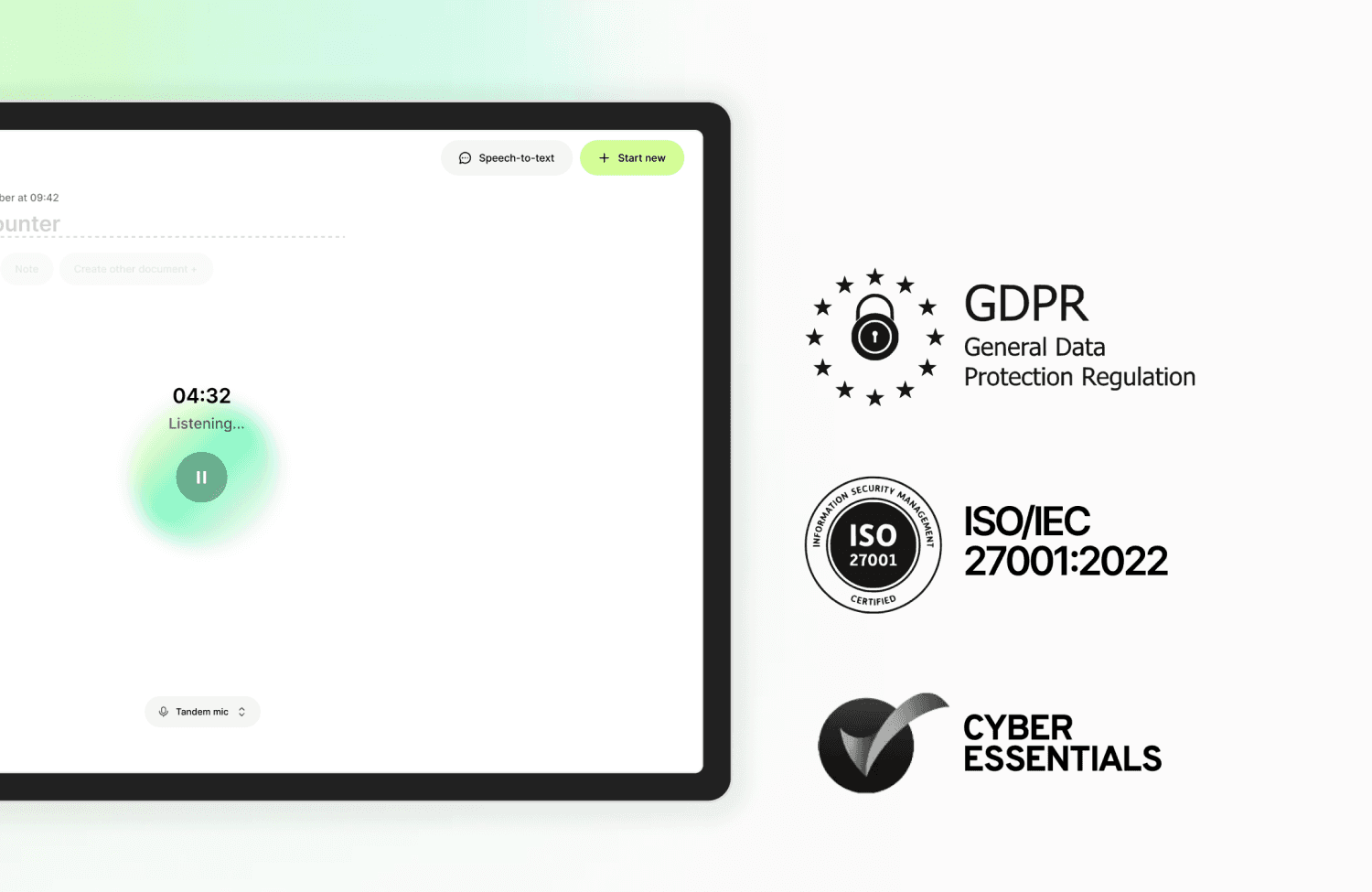
Committing to data security, privacy and clinical safety
10. dec. 2024
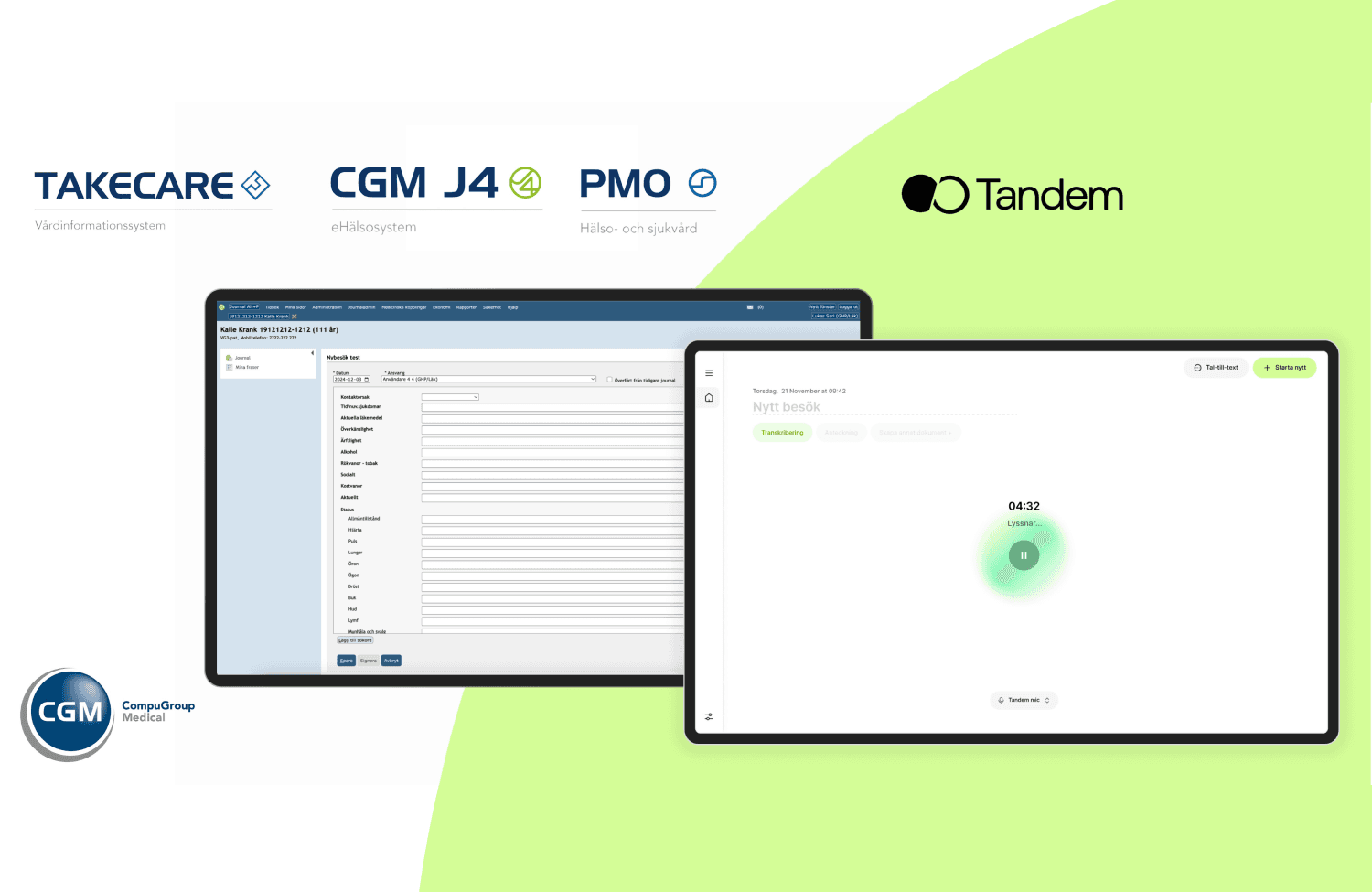
Tandem Health initiates collaboration with CGM Sweden
27. nov. 2024
Product update
How we redesigned Tandem in 2 weeks
25. nov. 2024
AI in healthcare
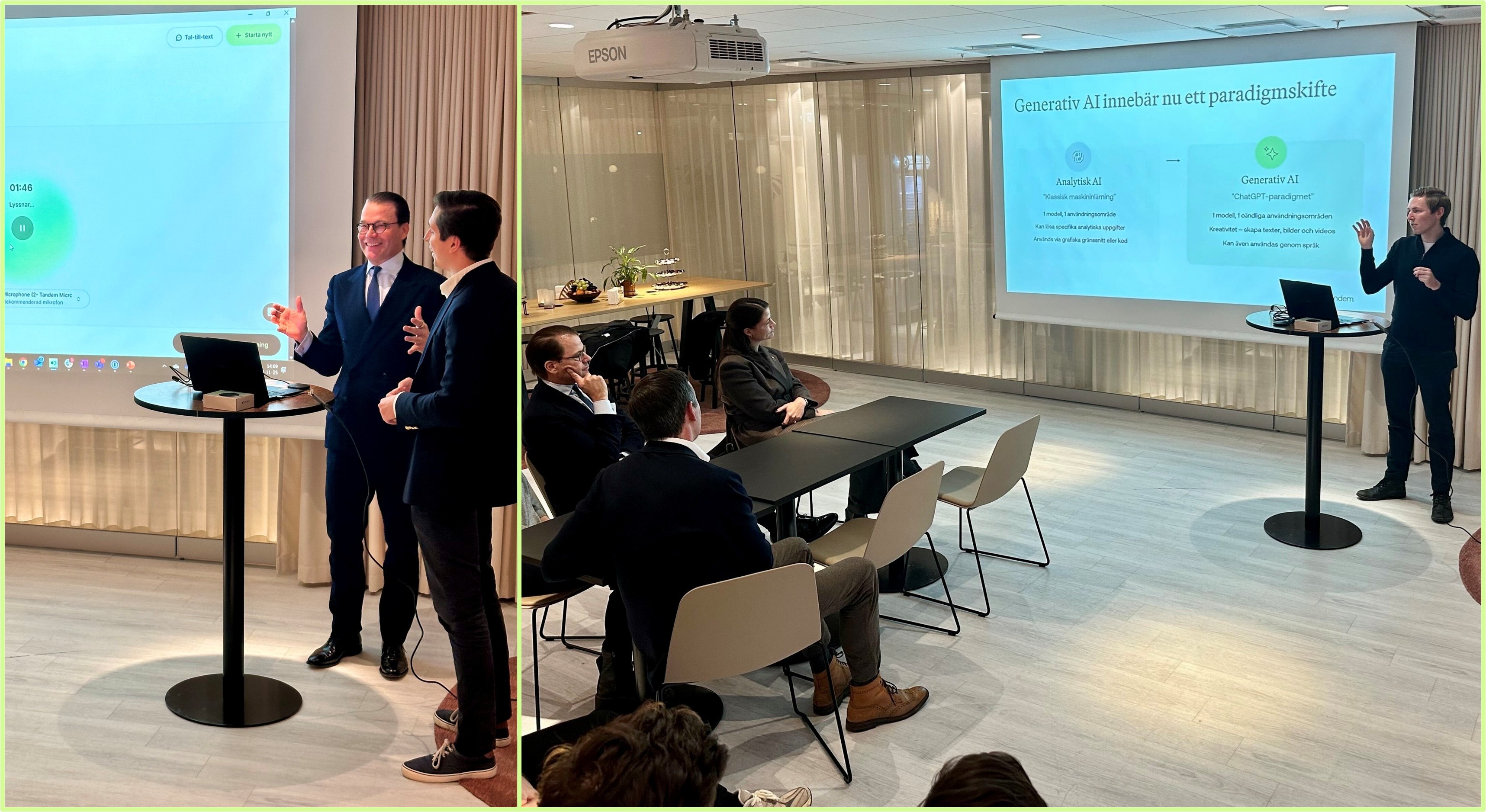
Hosting HRH Prince Daniel for a session on AI development in healthcare
12. nov. 2024
Tandem Health initiates collaboration with Medtanken Group
4. nov. 2024
Tandem Health initiates collaboration with Prima Vård
25. okt. 2024
Partnering with Aleris, a leading healthcare provider in the Nordics
27. jun. 2024
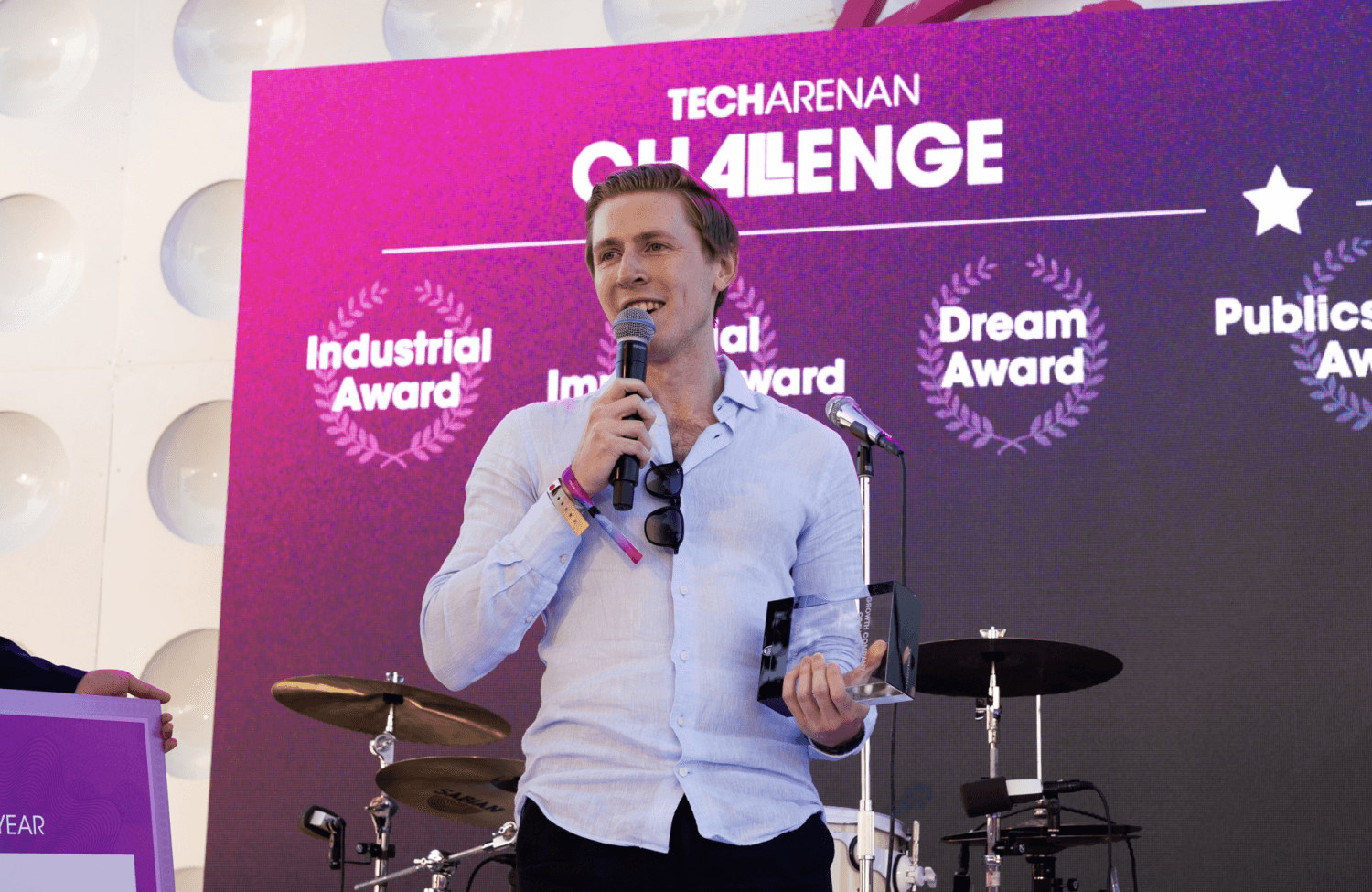
Awards
Tandem Health wins "Growth Company of the Year"
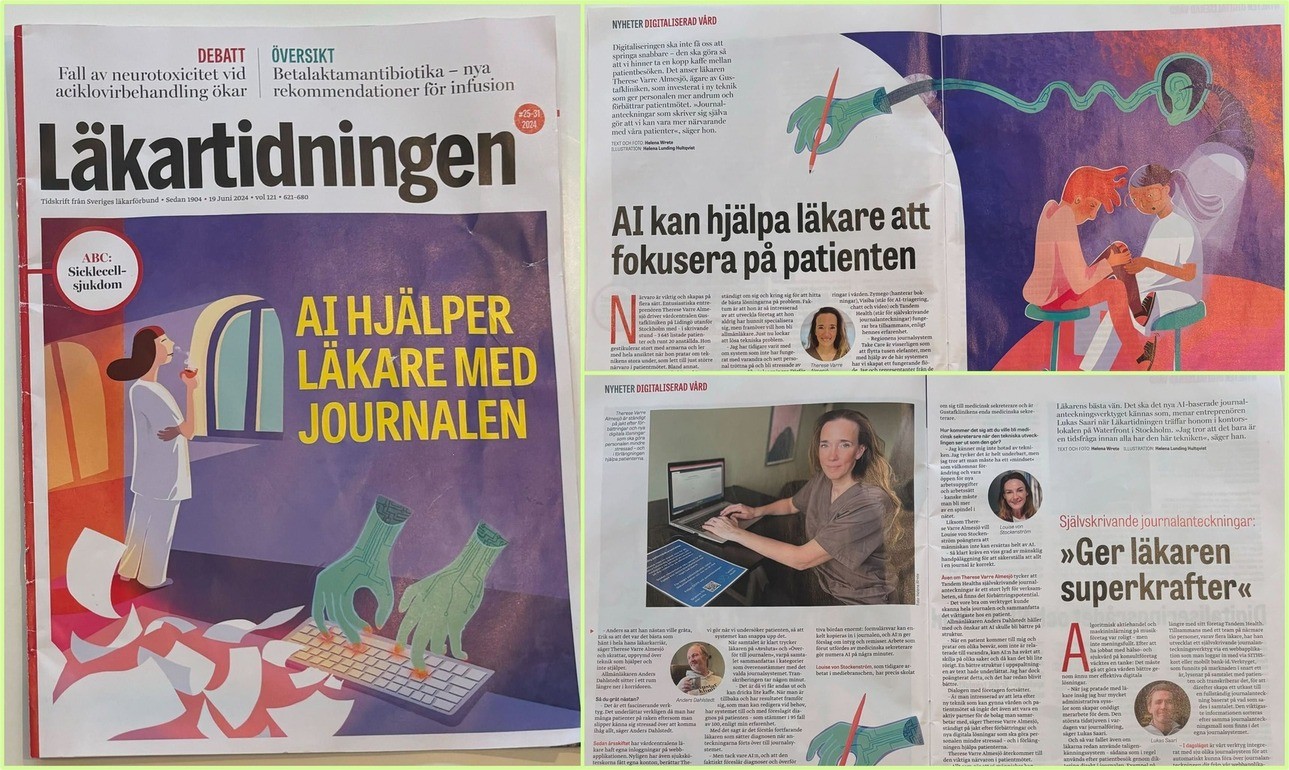
20. jun. 2024
Media mention
Tandem Featured in Sweden's Largest Medical Newspaper
19. jun. 2024
Tandem Health raises $9.5m to scale its healthcare co-pilot
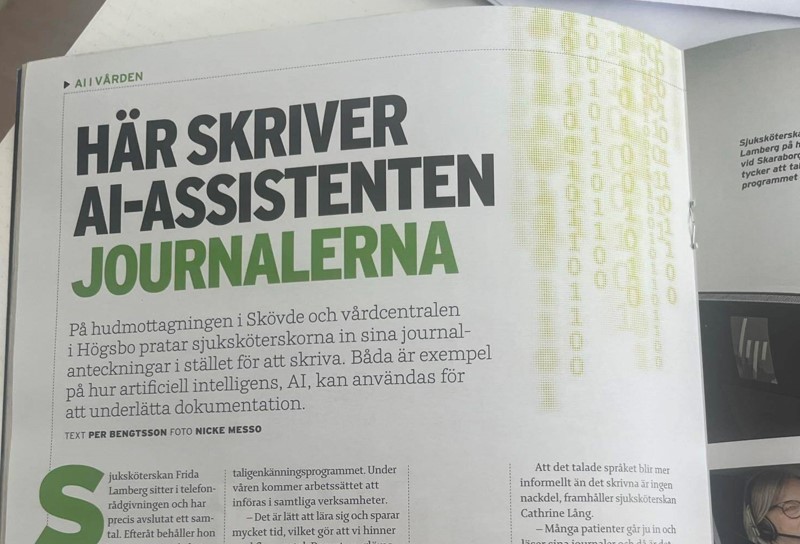
18. jun. 2024
Tandem Featured in Sweden's Premier Newspaper for Nurses
16. jun. 2024
Partnership with IT Omsorg – Celebrating 6 months together
Kontakt
Oversigt
Kunder
Data & Sikkerhed
Priser
Integrationer
Om os
Klinisk team
Karrierer
Nyheder
Viden
Forskning
Produktopdateringer
Hjælpecenter
Trust center
Downloads
Bestil mikrofoner
Brugsanvisning
Produktmærke
Juridisk
Brugsvilkår
Privatlivspolitik
Cookiepolitik
Tilgængelighedserklæring
Whistleblowing
Impressum
© Tandem Health AB 2026
Find os på
LinkedIn
YouTube
Sprog